

I always hate phrases like “get your body back” “bounce back”.
I really think after having a baby it should be about nurturing yourself, building up your foundations, improving your posture and being strong for motherhood. Because I’ll tell you now in 3 years, maybe less, you’ll be carrying a toddler wearing a helmet, a scooter, all while trying to also push a pram. Or you’ll be wrestling an 18 month old into a car seat after trying lots of gentle parenting, “I understand you don’t want to get in the seat today.”
You need to train for that.
Mentally and physically.
I can help with the physically.
Let’s get started.
Who am I to tell you how to get fit and strong after having a baby?
I exercised through both my pregnancies, and shortly after having the girls. I come from a background as a pre and post natal personal trainer, so I knew what I could/should do – and what to avoid.
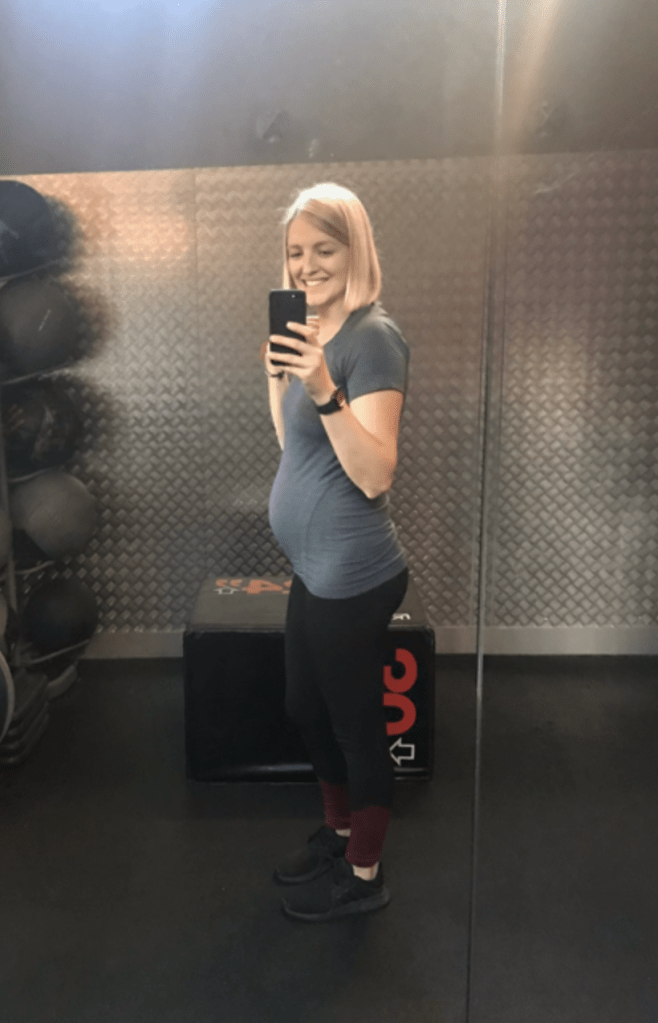
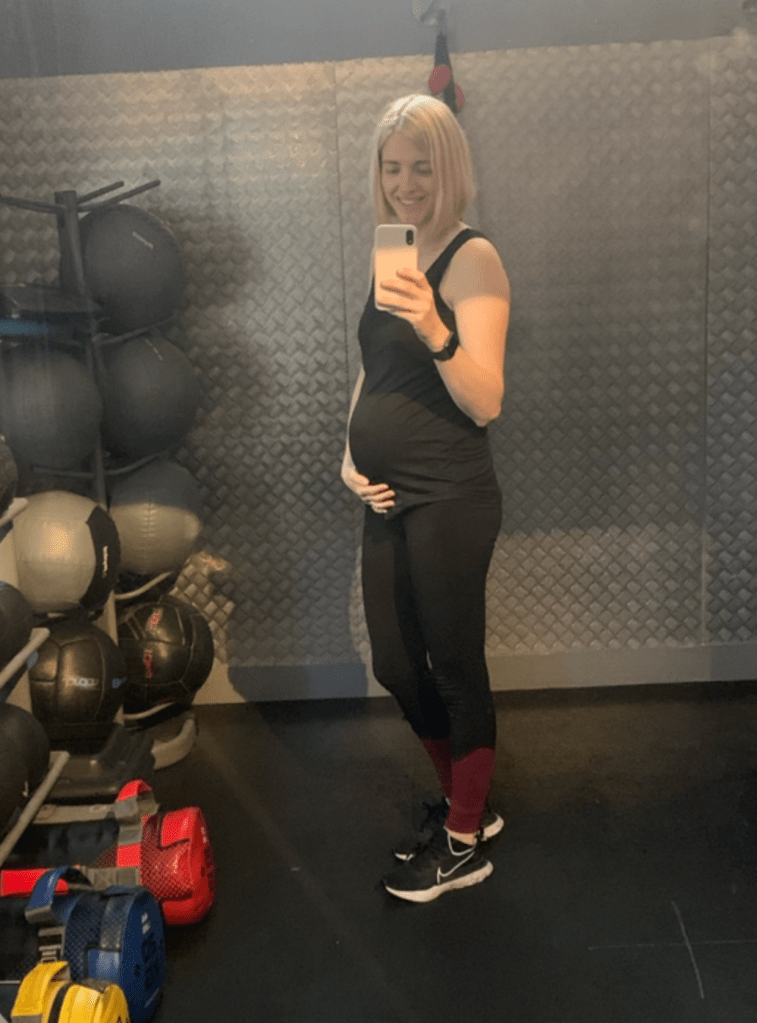
I know there’s lots of information out there. Loads of influencers dancing about days after having a baby, but don’t feel the pressure. Move at the pace that feels right for you, considering the type of birth you had and your future goals. And probably how tired you are.

The first 6 weeks
The NHS advise not to start formally exercising until after your 6 week check. Though I think you shouldn’t really start intense exercise like a bootcamp or even running until you’ve had something like a Mummy MOT or women’s health physio appointment.
You can, however, start gentle movements right after giving birth – if you wanted to that is! And the NHS back up that this is a good idea.
From a few days after having Ida and Marfs I started my pelvic floor exercises. With Ida it seemed to take a week to even feel any connection (forceps, pretty rough). With Martha I could feel it pretty quickly (straightforward, very quick birth). Even if you don’t feel any connection or like you’re doing anything, keep going. A first you might feel a little sore and bruised, so go easy. Try 5-10 squeezes while you feed. Build it up to:
- 10 x 5 second holds, 5 second rest
- REST 1 minute
- 10 x quick pulses
- And a couple of rounds.
A few weeks post natal you could include some core moves. And lots of lying down on the floor.
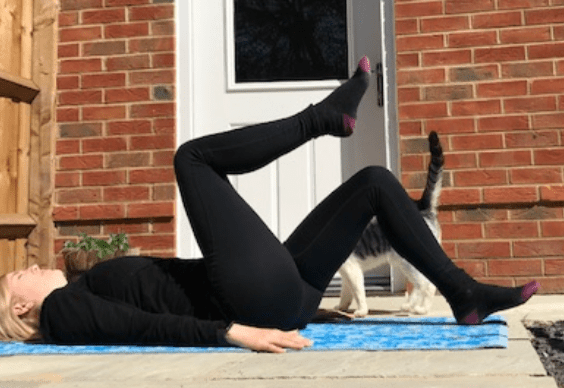
Heel taps
Lie on your back. Legs in table top position. Tap heel down. breathe out as you come back to start position.
Hip bridge
Lie on your back. Feet hip width apart.
Raise hips, breathing out as you lift.
OPTION 2 – Add a cushion between your knees and squeeze it together as you lift hips.
This will help you engage your inner thighs and pelvic floor.

Bird dog
On all fours. Keep hips level. Raise one leg behind you and lift opposite arm in front.
Keep hips in line and careful not to twist the hip. Keep foot neutral.

After the six week check
It’s very likely the doctor will mainly ask about your mental health, and your bleeding. My doctor didn’t feel my stomach or check I was physically okay for exercise and not likely to have a prolapse..
So make sure you take it steady. Think of life after having a baby as rebuilding your foundations. Even if you exercised throughout pregnancy, don’t jump right back into old routines. Your body has been through a lot! You might find you feel out of balance, out of line, or just ‘off’ – and probably bloody exhausted. So be kind to yourself.
Here are some good foundation moves to get you started.
Squats
Supported lunges
Hip bridges
Push ups from a surface (Kitchen counter works perfect for this!)
And the core moves as above.
When can I go to spinning after having a baby?
I’m a spin instructor and cycled all through my pregnancy, both times, right up to a week before birth – not that I’m after a medal or anything, but if there’s one going please can I have it. It was my job and I loved it!
I went back to spin classes after 7 weeks, and teaching after 3 months or so. I felt fine sitting on the saddle, which was the biggest thing. If you’ve had lots of stitches or trauma, you might want to wait longer. Or get a lot of padding! Those seats are not comfortable at the best of times.

When can I go running after having a baby?
The women’s health physio I spoke to advised me not to run for 3 months post baby, and I’d need to rehab my core in the meantime. Running is very intense on your core and joints, and your pelvic floor. Make sure yours is up to it. This is a brilliant read on returning to running by a physio.
The guidelines suggest the following strength test:
“In order to ensure key muscle groups are prepared for running, each of the following movements should be performed with the number of repetitions counted to fatigue. Aim for 20 repetitions of each test.”
- ⁃ Single leg calf raise
- ⁃ Single leg bridge
- ⁃ Single leg sit to stand
- ⁃ Side lying abduction

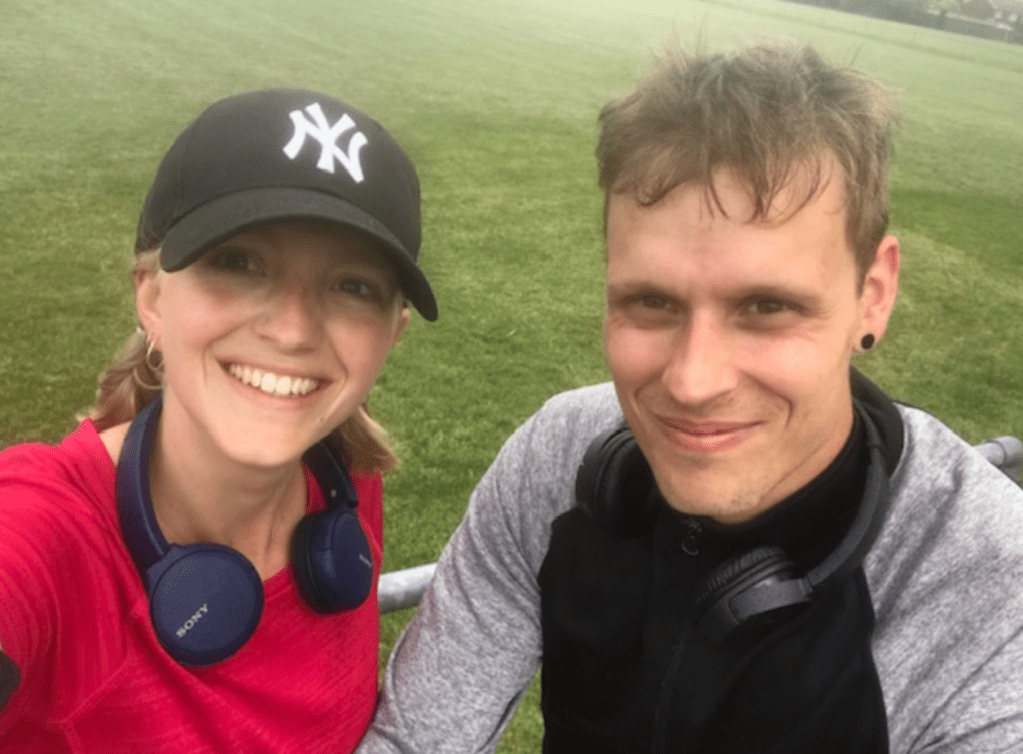
Me and Matt found a paved loop where one of us could push the pushchair (not a running buggy) while the other did a lap, then we swapped. We started doing just one or two laps, then six months later we were up to 10 k around the field! This way meant we both got out to encourage each other, and do something we love. Excuse Matt’s mad hair. It was lockdown when we started this!
Women’s health physio
I can’t stress enough how important this is, if you can afford it.
While you might want to jump straight back into bootcamp (literally) or running, your pelvic floor might not want you to. The exam is quite intimate, but hey, so is birth. I left my dignity back in Stoke Mandeville in 2020.
If you’re concerned about anything within your recover, see your doctor. They’ll be able to refer you to a women’s health physio or do further examinations.
When can I walk after having a baby?
Start with short walks when you feel up to it. Overtime you can build these up when your baby is napping in the pushchair. Never underestimate the power of walking!
Strength training after having a baby – a workout
After having a baby your pelvic floor will have taken quite the strain. It’s important to gradually build up your foundations. Start with bodyweight moves and the core moves from above. Then when you’re ready to use weights, gradually increase.
If you have pelvic floor dysfunction such as a prolapse, bewear of lifting too heavy during exercises such as squats. The downward pressure can make things worse.
All being well, and having worked on your foundations, here’s a workout to try when you’re ready to be back in the gym. This type of workout is efficient if you’re low on time, and gets your heart rate up. Take additional breaks if you need to. You can work up to longer times and more rounds.
Warm up
10 body weight squats
3 walk outs (or inch worms)
10 bird dogs each side
for 3 minutes continuous
===
Set a timer for 3-5 minutes, perform exercises back to back until the time is up. Weights or no weights.
10 Romanian deadlifts
10 Bent over rows
===
REST 2 MINS
===
Set a timer for 3-5 minutes, perform exercises back to back until the time is up. Weights or no weights.
10 goblet squats
10 chest press on a bench or floor
===
Set a timer for 3-5 minutes, perform exercises back to back until the time is up. Weights or no weights.
10 reverse lunges
10 shoulder presses (seated)
===
REST 2 MINS
30 second side plank each side
REST
30 second side plank each side
===
Cool down
Be kind to yourself
You want to be strong after having a baby, sure. But you don’t need to be strong right this very second. Building strength takes time and dedication. So you might not see results this week, or next, think of it as a long term project and the results will come. AND STAY OFF THE SCALES.
If you’re someone who likes to chart and track changes over months and years, try photos or measurements using a tape. Don’t trust the scales.
Always happy to chat exercise and motherhood over at @reviewsfromthemotherside on Instagram. Or leave me a comment 🙂
 Fromthemotherside
Leave a comment